The Living Mosaic: Crafting Homes That Reflect and Respond
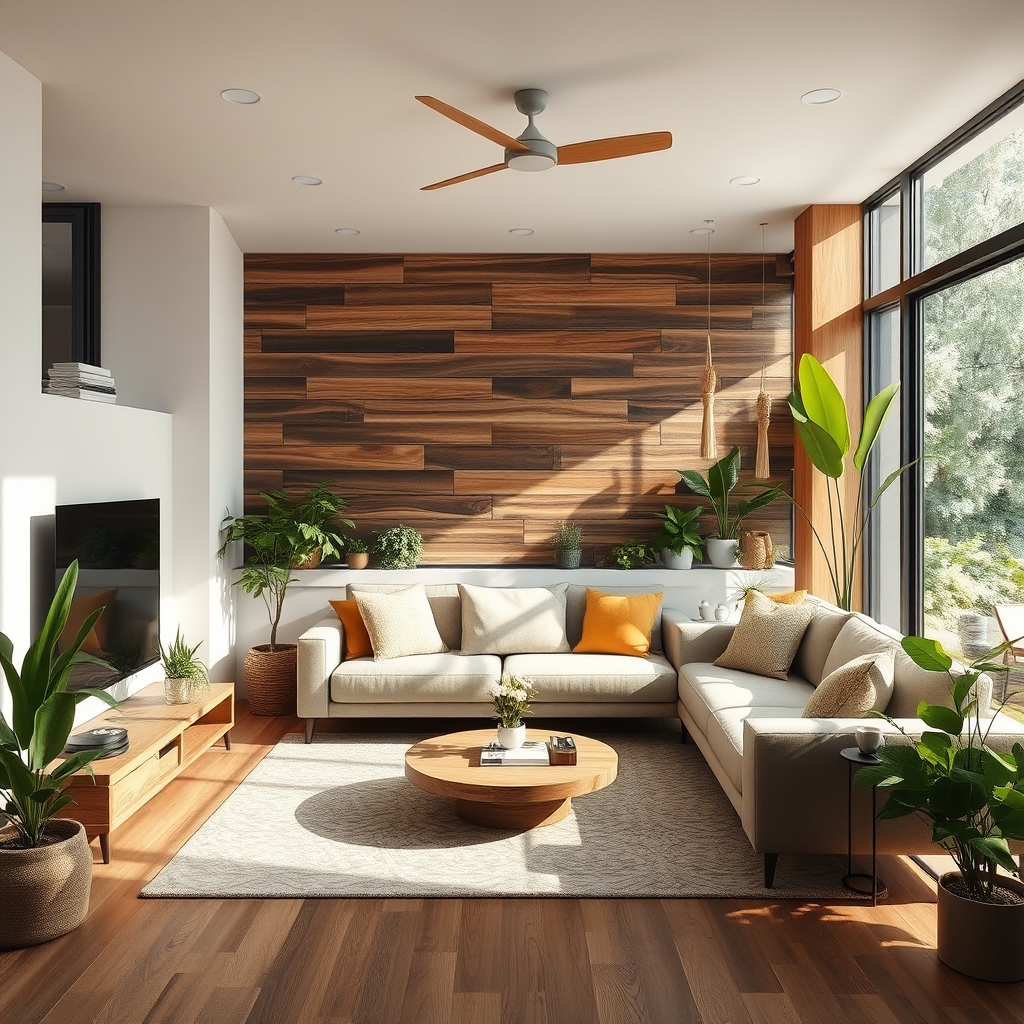
In the realm of interior design, a new paradigm is emerging—one that transcends the mere aesthetics of space and delves into the experiential, the sensory, and the deeply personal. This is the world of immersive spatial design, where every element is carefully curated to engage the senses and evoke emotions. At the heart of this movement lies the concept of sensory interior environments, which aim to create spaces that not only look beautiful but also feel alive and responsive to their inhabitants.
Human-Centric Architecture: The Core of Immersive Design
Human-centric architecture places the needs, desires, and well-being of the people who inhabit a space at the forefront of the design process. This approach is about understanding the human experience and translating that understanding into physical spaces that support and enhance it. Adaptive living spaces are a key component of this philosophy, designed to evolve and change with the needs of their occupants over time.
Biophilic Design Integration: Bringing Nature Indoors
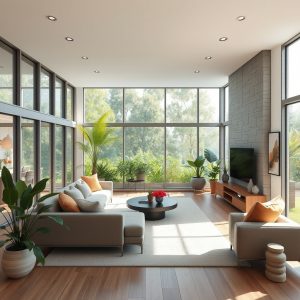
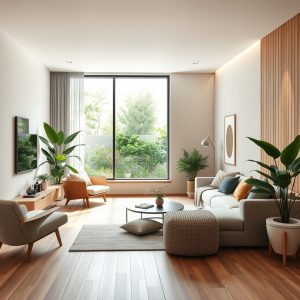
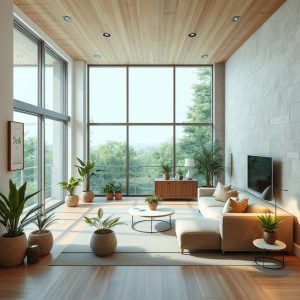
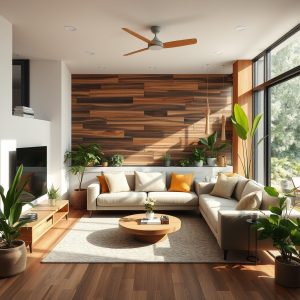
One of the most powerful ways to create a sensory interior environment is through biophilic design integration. This approach seeks to reconnect people with nature by incorporating natural elements such as plants, water features, and natural light into the design. The benefits of biophilic design are well-documented, including improved mental health, increased productivity, and enhanced overall well-being.
Personalized Interior Concepts: Tailoring Spaces to Individual Needs
Personalized interior concepts take the idea of human-centric design a step further by tailoring spaces to the unique needs, preferences, and lifestyles of individual occupants. This can involve everything from custom furniture and color schemes to smart home technologies that adapt to the user’s habits and routines. The goal is to create a space that feels truly personal and reflective of the individual’s identity.
Sustainable Home Styling: Designing for the Future
As we become more aware of our environmental impact, sustainable home styling has become an essential consideration in interior design. This involves using eco-friendly materials, energy-efficient appliances, and sustainable practices to create homes that are not only beautiful but also kind to the planet. Interactive interior planning tools can help designers and homeowners make informed decisions about sustainability, ensuring that their spaces are both functional and environmentally responsible.
Psychological Space Optimization: Designing for Well-Being
Psychological space optimization is about understanding how the design of a space can influence our mood, behavior, and overall well-being. This can involve everything from the layout of a room to the choice of colors and materials. By designing spaces that promote relaxation, creativity, and productivity, we can enhance our quality of life and create homes that truly support our well-being.
Digital Twin Interior Modeling: The Future of Design
Digital twin interior modeling is a cutting-edge technology that allows designers to create virtual replicas of physical spaces. This enables them to test different design options, visualize how a space will look and feel, and make adjustments before any physical work begins. This not only saves time and resources but also allows for a more collaborative and co-creative design process.
Wellness-Focused Home Design: Creating Spaces for Healing and Growth
Wellness-focused home design is about creating spaces that support our physical, mental, and emotional well-being. This can involve everything from designing spaces that promote relaxation and stress relief to incorporating elements that support physical health, such as ergonomic furniture and air-purifying plants. By creating homes that are designed with wellness in mind, we can enhance our overall quality of life and create spaces that truly support our well-being.
Emotionally Resonant Interiors: Designing for Connection
Emotionally resonant interiors are designed to evoke specific emotions and create a sense of connection and belonging. This can involve everything from the choice of colors and materials to the layout of a room and the incorporation of personal mementos and artwork. By creating spaces that resonate emotionally, we can enhance our sense of well-being and create homes that truly feel like our own.
Co-Creative Design Processes: Collaborating for Better Spaces
Co-creative design processes involve collaboration between designers, architects, and the people who will inhabit a space. This approach ensures that the final design reflects the needs, desires, and preferences of all stakeholders, creating spaces that are truly functional, beautiful, and meaningful. By working together, we can create homes that are not only aesthetically pleasing but also deeply personal and reflective of the people who live in them.
In the end, the goal of immersive spatial design is to create homes that are not just places to live, but spaces that enhance our lives in meaningful ways. By focusing on the human experience, incorporating natural elements, and designing with sustainability and well-being in mind, we can create homes that truly reflect and respond to our needs, desires, and emotions. This is the future of interior design—a future that is deeply personal, deeply connected, and deeply human.