The Living Canvas: Crafting Homes That Breathe and Respond
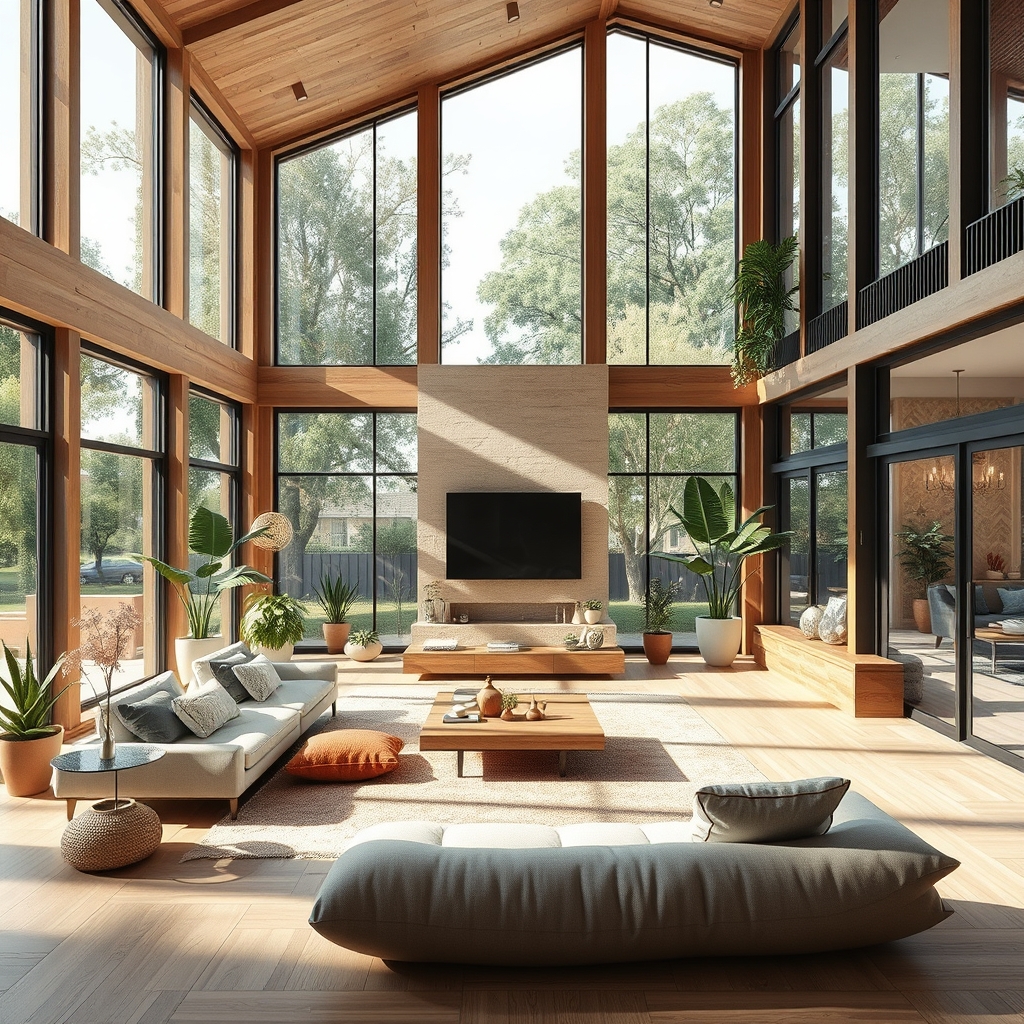
In the realm of architecture and interior design, there’s a growing emphasis on creating spaces that are not just aesthetically pleasing, but also emotionally resonant and functionally adaptive. This approach, often referred to as immersive spatial design, is about crafting environments that harmonize with the human experience, responding to the needs and emotions of its inhabitants.
Immersive Spatial Design: A New Paradigm
Immersive spatial design is a holistic approach that integrates various elements to create a cohesive and meaningful living experience. It’s about more than just the physical structure; it’s about the sensory, emotional, and psychological aspects of the space. This design philosophy is rooted in the belief that our homes should be an extension of ourselves, reflecting our personalities, values, and lifestyles.
Sensory Interior Environments
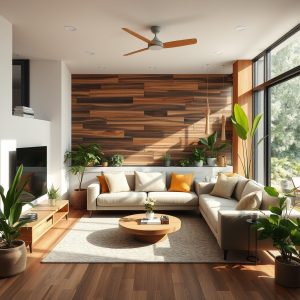
One of the key aspects of immersive spatial design is the creation of sensory interior environments. These spaces are designed to engage all the senses, from sight and sound to touch and smell. For instance, the use of natural materials like wood and stone can evoke a sense of warmth and grounding, while the strategic placement of plants can introduce the soothing scents and sounds of nature indoors.
Human Centric Architecture
Human centric architecture is another crucial element of immersive spatial design. It’s about designing spaces that cater to the unique needs and preferences of the people who will inhabit them. This could involve creating flexible layouts that can adapt to different lifestyles and activities, or incorporating elements that promote well-being, such as natural light and ventilation.
Adaptive Living Spaces
Adaptive living spaces are designed to evolve with the needs and preferences of their inhabitants. This could involve the use of modular furniture and flexible layouts that can be easily reconfigured, or the integration of smart home technology that can respond to the occupants’ needs and preferences.
Biophilic Design Integration
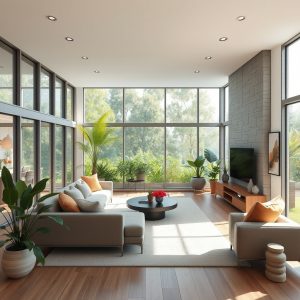
Biophilic design is the practice of incorporating elements of nature into the built environment. This could involve the use of natural materials, the strategic placement of plants, or the integration of natural light and ventilation. By doing so, we can create spaces that promote well-being and a sense of connection to nature.
Personalized Interior Concepts
Personalized interior concepts are about creating spaces that reflect the unique personalities, values, and lifestyles of their inhabitants. This could involve the use of personalized decor and furniture, or the creation of spaces that cater to specific interests and hobbies.
Sustainable Home Styling
Sustainable home styling is about creating spaces that are not only beautiful and functional, but also environmentally responsible. This could involve the use of eco-friendly materials, the integration of renewable energy sources, or the adoption of sustainable design principles throughout the home.
Interactive Interior Planning
Interactive interior planning is about involving the occupants in the design process. This could involve the use of co-creative design processes, where the occupants are actively involved in the decision-making process, or the use of digital twin interior modeling, where the occupants can visualize and interact with their future home.
Psychological Space Optimization
Psychological space optimization is about creating spaces that are emotionally resonant and psychologically meaningful. This could involve the use of color psychology, the strategic placement of furniture and decor, or the creation of spaces that cater to specific emotional needs and preferences.
Wellness Focused Home Design
Wellness focused home design is about creating spaces that promote physical, mental, and emotional well-being. This could involve the use of natural materials and lighting, the creation of spaces that cater to specific wellness needs, or the integration of wellness-focused features and amenities.
Emotionally Resonant Interiors
Emotionally resonant interiors are about creating spaces that evoke specific emotions and feelings. This could involve the use of color psychology, the strategic placement of furniture and decor, or the creation of spaces that cater to specific emotional needs and preferences.
Co Creative Design Processes
Co-creative design processes are about involving the occupants in the design process. This could involve the use of collaborative design tools and platforms, the adoption of participatory design principles, or the integration of the occupants’ input and feedback throughout the design process.
In the end, immersive spatial design is about creating spaces that are not just beautiful and functional, but also emotionally resonant and psychologically meaningful. It’s about crafting environments that harmonize with the human experience, responding to the needs and emotions of its inhabitants. It’s about creating homes that breathe and respond, that are an extension of ourselves, reflecting our personalities, values, and lifestyles.