The Living Canvas: Crafting Homes That Breathe and Respond
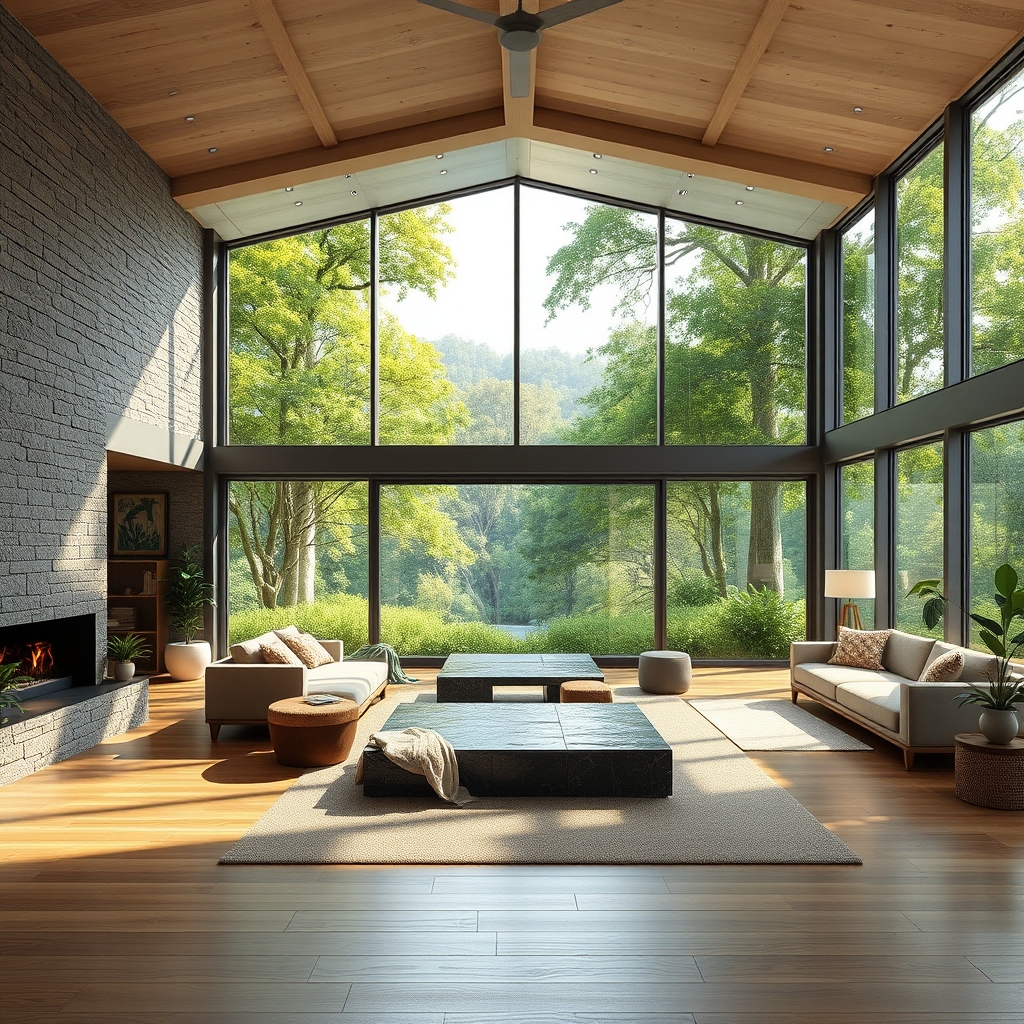
In the realm of architecture and design, the concept of a living canvas has emerged as a powerful metaphor for homes that are not just static spaces but dynamic entities that breathe, respond, and evolve with their inhabitants. This philosophy, often referred to as Immersive Spatial Design, is a holistic approach that integrates sensory, human-centric, and adaptive principles to create environments that are as alive as the people who inhabit them.
Sensory Interior Environments
The foundation of Immersive Spatial Design lies in the creation of sensory interior environments. These spaces are meticulously crafted to engage all five senses, from the visual and auditory to the tactile and olfactory. Imagine walking into a home where the walls respond to your touch, the lighting shifts with your mood, and the scent of nature fills the air. This is the essence of a sensory interior environment, where every element is designed to evoke a specific emotion or response.
Human Centric Architecture
At the heart of Immersive Spatial Design is the principle of Human Centric Architecture. This approach prioritizes the needs, preferences, and behaviors of the occupants, ensuring that every aspect of the home is tailored to enhance their well-being and quality of life. It’s about creating spaces that are not just functional but also emotionally resonant, where people can live, work, and play in harmony with their surroundings.
Adaptive Living Spaces
Adaptive Living Spaces are another key component of Immersive Spatial Design. These spaces are designed to evolve and change in response to the needs and preferences of the inhabitants. Think of a home that can transform from a cozy retreat to a vibrant social hub, or a workspace that adapts to your mood and productivity levels. This level of adaptability is made possible through the integration of smart technologies and flexible design strategies.
Biophilic Design Integration
Biophilic Design Integration is a crucial aspect of Immersive Spatial Design. This approach seeks to connect people with nature by incorporating natural elements and patterns into the built environment. From biophilic materials like wood and stone to natural light and views, every element is chosen to create a sense of connection to the natural world. This not only enhances the aesthetic appeal of the home but also has a profound impact on the occupants’ mental and physical well-being.
Personalized Interior Concepts
Personalized Interior Concepts are at the core of Immersive Spatial Design. These concepts are tailored to the unique tastes, lifestyles, and personalities of the inhabitants, ensuring that every space is a reflection of who they are. Whether it’s a minimalist sanctuary or a vibrant, eclectic space, the goal is to create an environment that feels like a second home.
Sustainable Home Styling
Sustainable Home Styling is an integral part of Immersive Spatial Design. This approach emphasizes the use of eco-friendly materials, energy-efficient technologies, and sustainable practices to create homes that are not only beautiful but also responsible. From solar panels to rainwater harvesting systems, every element is chosen to minimize the home’s environmental impact while maximizing its efficiency and comfort.
Interactive Interior Planning
Interactive Interior Planning is a unique aspect of Immersive Spatial Design. This approach involves the inhabitants in the design process, ensuring that every space is a reflection of their collective vision and needs. Through co-creative design processes, the home becomes a living canvas that evolves and changes with the occupants, creating a truly personalized and meaningful living experience.
In the realm of Immersive Spatial Design, the home is not just a place to live but a dynamic, responsive entity that evolves and adapts with its inhabitants. It’s a philosophy that integrates sensory, human-centric, and adaptive principles to create environments that are as alive and responsive as the people who inhabit them. As we continue to explore the possibilities of this approach, we are reminded of the power of design to transform our living spaces into extensions of ourselves, where every element is a reflection of our unique journey and the story we are yet to write.