
The Invisible Artistry: Crafting Homes That Harmonize Mind, Body, and Space
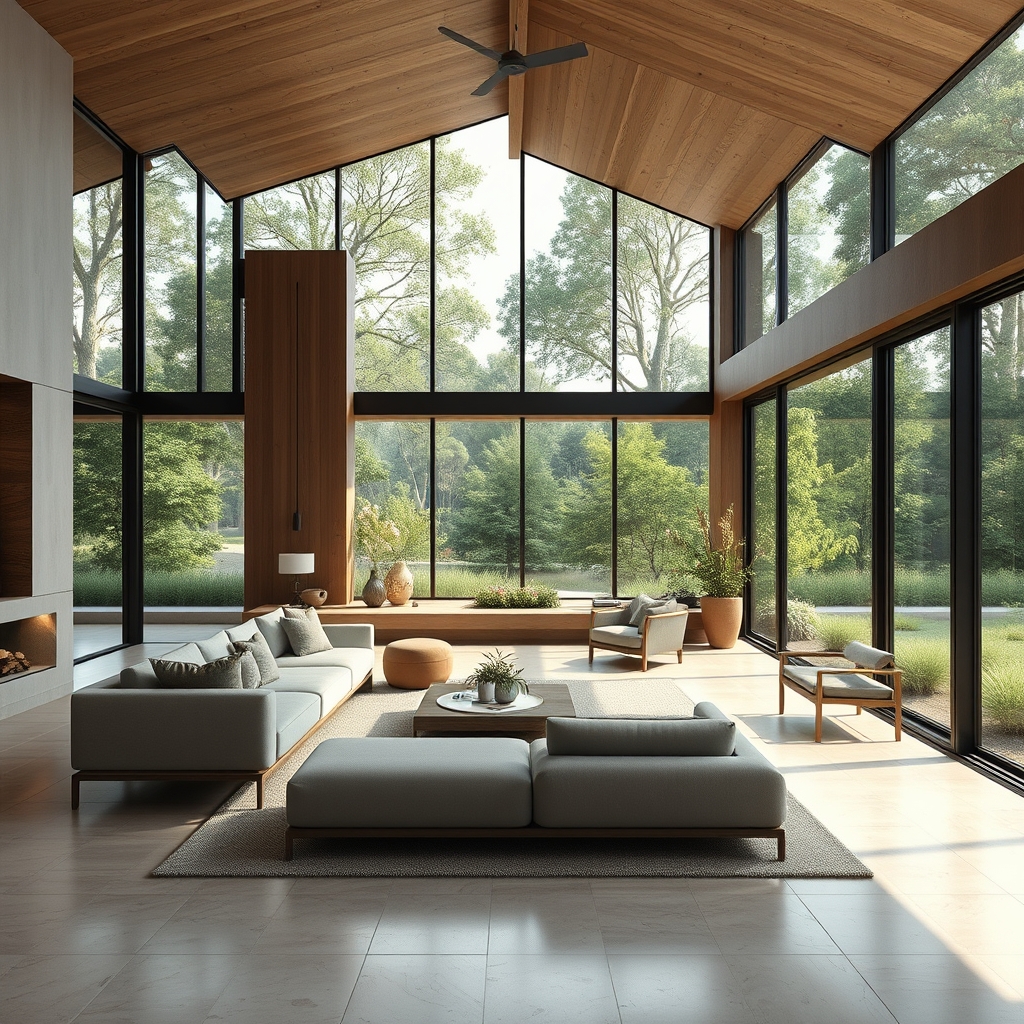
In the realm of architecture and interior design, there exists a silent, yet profound, artistry that transcends the visible. This artistry is the invisible thread that weaves together the mind, body, and space, creating environments that resonate with our emotions and needs. This is the essence of immersive spatial design, a concept that goes beyond aesthetics to create sensory interior environments that are deeply human-centric.
Understanding Immersive Spatial Design
Immersive spatial design is an approach to architecture and interior design that focuses on creating environments that engage all the senses. It’s about designing spaces that not only look beautiful but also feel good, sound good, and even smell good. This holistic approach to design considers the psychological and physiological effects of the built environment on human behavior and well-being.
The Role of Sensory Interior Environments
Sensory interior environments are at the heart of immersive spatial design. They are designed to stimulate the senses, creating a multi-sensory experience that enhances the way we interact with our surroundings. From the soothing sound of running water to the comforting texture of natural materials, every element is carefully considered to create a harmonious and inviting atmosphere.
Human-Centric Architecture
Human-centric architecture is another key aspect of immersive spatial design. It’s about designing spaces that are tailored to the needs and preferences of the people who will inhabit them. This could involve creating adaptive living spaces that can be easily modified to suit different activities and lifestyles, or incorporating biophilic design elements that bring the outdoors in.
Exploring Adaptive Living Spaces
Adaptive living spaces are a testament to the power of immersive spatial design. These are spaces that can be easily reconfigured to meet the changing needs of their inhabitants. Whether it’s a multi-functional home office that can be transformed into a guest room, or a living room that can be converted into a home theater, adaptive living spaces offer a high degree of flexibility and versatility.
The Power of Biophilic Design Integration
Biophilic design integration is another powerful tool in the immersive spatial designer’s arsenal. This approach involves incorporating elements of nature into the built environment, creating spaces that are not only visually appealing but also emotionally resonant. From indoor gardens to natural materials and textures, biophilic design elements can help to reduce stress, improve mood, and enhance overall well-being.
Personalized Interior Concepts
Personalized interior concepts are all about creating spaces that reflect the unique personalities and lifestyles of their inhabitants. This could involve incorporating favorite colors, patterns, and textures, or creating spaces that are tailored to specific activities and hobbies. The goal is to create environments that not only look beautiful but also feel like a true extension of the people who live in them.
Embracing Sustainable Home Styling
Sustainable home styling is an essential aspect of immersive spatial design. It’s about creating environments that are not only beautiful and functional but also environmentally responsible. This could involve using eco-friendly materials, incorporating energy-efficient appliances, or creating spaces that are designed to minimize waste and maximize sustainability.
The Importance of Psychological Space Optimization
Psychological space optimization is about creating environments that are not only physically comfortable but also psychologically so. This could involve creating spaces that are designed to promote relaxation and tranquility, or incorporating elements that are known to have a positive impact on mood and well-being.
Digital Twin Interior Modeling
Digital twin interior modeling is a cutting-edge approach to immersive spatial design that involves creating a virtual replica of a physical space. This allows designers to experiment with different layouts, materials, and finishes, creating environments that are not only beautiful but also highly functional.
Wellness-Focused Home Design
Wellness-focused home design is about creating environments that are designed to promote health and well-being. This could involve incorporating elements that are known to have a positive impact on physical and mental health, or creating spaces that are designed to support specific wellness practices and activities.
Emotionally Resonant Interiors
Emotionally resonant interiors are spaces that are designed to evoke specific emotions and moods. This could involve incorporating elements that are known to have a positive impact on mood and well-being, or creating spaces that are designed to reflect the unique personalities and preferences of their inhabitants.
Co-Creative Design Processes
Co-creative design processes are about involving the people who will inhabit a space in the design process. This could involve working with clients to create personalized interior concepts, or incorporating their feedback and input throughout the design process.
In the end, immersive spatial design is about creating environments that are not only beautiful and functional but also deeply human-centric. It’s about designing spaces that not only look good but also feel good, sound good, and even smell good. It’s about creating environments that are tailored to the unique needs and preferences of the people who will inhabit them, and that are designed to promote health, well-being, and happiness. It’s about creating spaces that are not just places to live, but also places to thrive.



