
The Invisible Alchemy: Crafting Homes That Harmonize Mind, Body, and Space
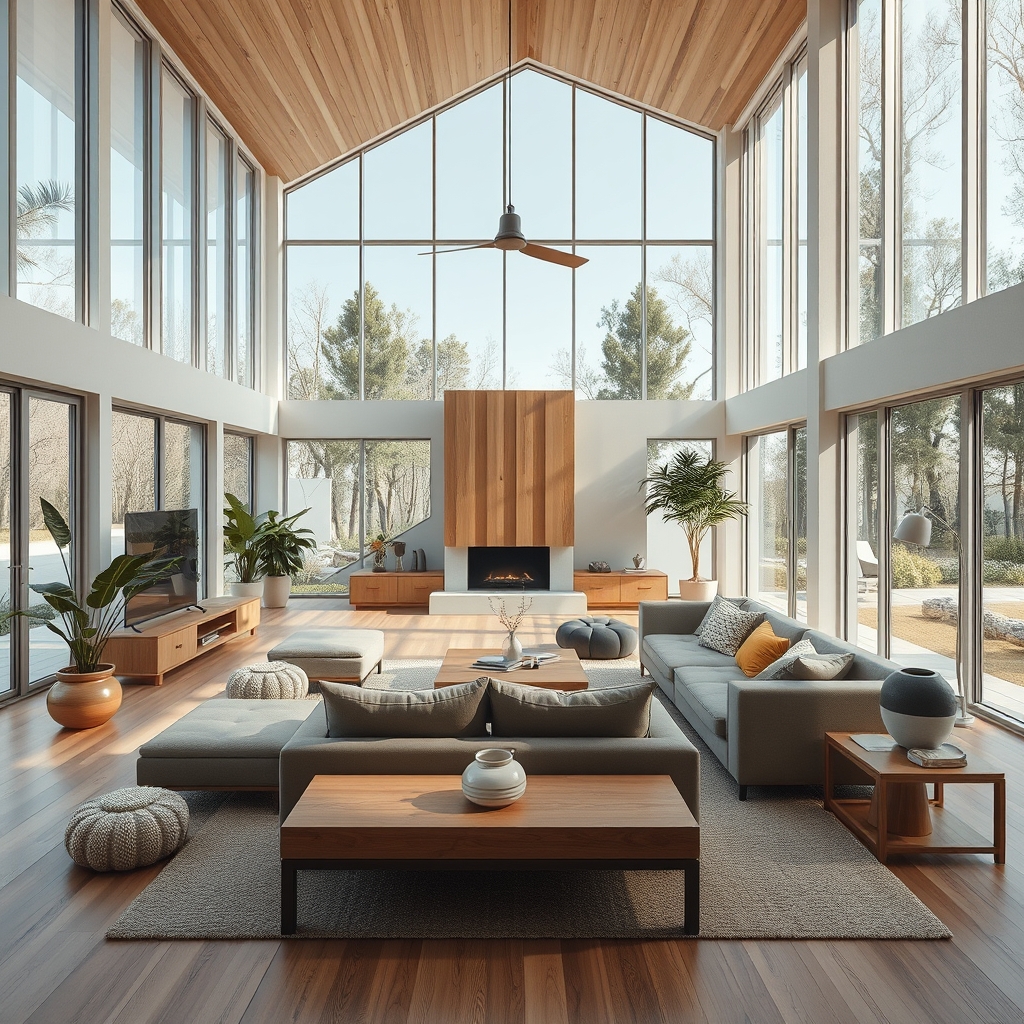
In the realm of architecture and interior design, there exists a subtle, yet profound art of creating spaces that resonate with the human experience. This art is not just about aesthetics; it’s about crafting environments that harmonize the mind, body, and space, creating a symphony of well-being and functionality. This is what we call Immersive Spatial Design.
Immersive Spatial Design: The Art of Creating Resonant Environments
Immersive Spatial Design is a holistic approach to interior design that focuses on creating environments that are not just visually appealing but also emotionally resonant and functionally efficient. It’s about understanding the subtle nuances of human behavior and psychology, and translating them into physical spaces that enhance our daily lives.
Sensory Interior Environments: Designing for the Senses
At the heart of Immersive Spatial Design lies the concept of Sensory Interior Environments. This approach recognizes that our perception of space is heavily influenced by our senses. Therefore, it’s crucial to design spaces that engage our senses in a harmonious way. This could be through the use of natural materials, strategic lighting, or even the sound of flowing water.
Human Centric Architecture: Designing for the Human Experience
Human Centric Architecture is another key aspect of Immersive Spatial Design. It’s about creating spaces that are centered around the needs, desires, and behaviors of the people who will inhabit them. This could involve everything from the layout of the space to the materials used, and even the way the space is used over time.
Adaptive Living Spaces: Designing for Change and Growth
One of the most significant challenges in interior design is the need for spaces to adapt and evolve over time. This is where Adaptive Living Spaces come into play. These are spaces that are designed to be flexible and adaptable, capable of changing and growing with the needs and desires of their inhabitants. This could involve the use of modular furniture, multi-functional spaces, or even the integration of smart home technology.
Biophilic Design Integration: Bringing Nature Indoors
Biophilic Design Integration is another crucial element of Immersive Spatial Design. This approach seeks to bring the outdoors in, creating spaces that are inspired by and connected to nature. This could be through the use of natural materials, strategic placement of plants, or even the integration of natural light. The goal is to create a sense of connection and harmony with the natural world, enhancing our well-being and sense of place.
Personalized Interior Concepts: Designing for Individuality
In a world where individuality is increasingly valued, Personalized Interior Concepts offer a refreshing approach to interior design. This is about creating spaces that are uniquely tailored to the needs, preferences, and lifestyle of the people who will inhabit them. This could involve everything from the color scheme and furniture selection to the layout of the space and the integration of personal mementos.
Immersive Spatial Design is more than just a trend; it’s a philosophy of design that seeks to create spaces that are not just beautiful but also meaningful and functional. It’s about understanding the subtle nuances of human behavior and psychology, and translating them into physical spaces that enhance our daily lives. It’s about creating environments that are not just visually appealing but also emotionally resonant and functionally efficient. It’s about crafting homes that harmonize the mind, body, and space, creating a symphony of well-being and functionality. In the end, it’s about creating spaces that are truly alive, breathing, and responsive to the needs and desires of their inhabitants.



