Digital Twin Interior Modeling: The Future of Precision and Personalization in Home Design
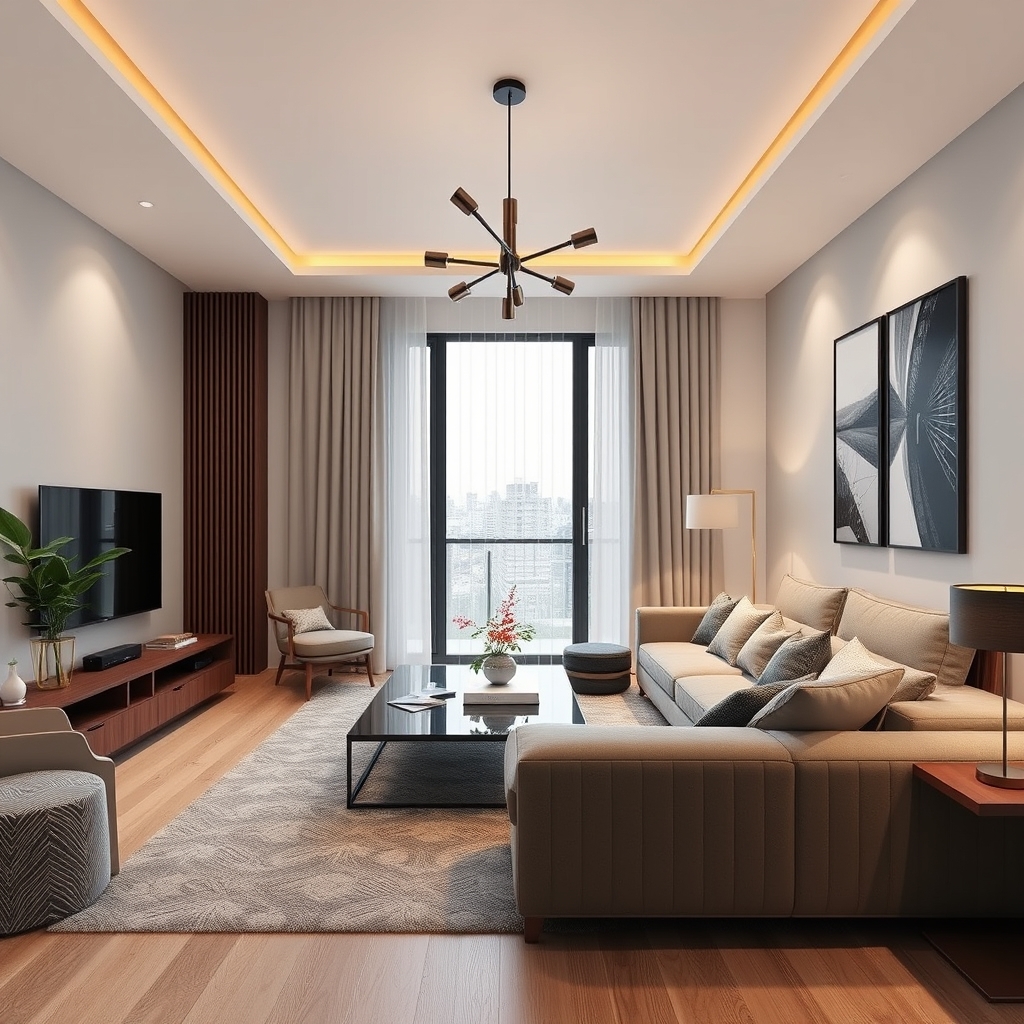
In an era where technology seamlessly blends with creativity, the concept of home design is undergoing a transformative shift. At the forefront of this evolution is Digital Twin Interior Modeling, a revolutionary approach that merges the physical and digital realms to create living spaces that are not only visually stunning but also deeply personalized and functionally adaptive. This cutting-edge methodology is redefining how architects, designers, and homeowners envision, plan, and experience their environments, offering a level of precision and customization previously unimaginable.
The Essence of Digital Twin Technology
A digital twin is a virtual replica of a physical space, meticulously crafted using real-time data, advanced simulations, and immersive technologies like augmented reality (AR) and virtual reality (VR). In the context of interior design, a digital twin serves as a dynamic, interactive model of a home, allowing designers and homeowners to experiment with layouts, materials, lighting, and even furniture arrangements before any physical changes are made. This technology eliminates the guesswork traditionally associated with home design, replacing it with data-driven insights and predictive analytics that ensure every decision is informed and intentional.
The power of digital twin modeling lies in its ability to simulate real-world conditions. For instance, designers can test how natural light will interact with different surfaces throughout the day, assess the acoustic properties of a room, or even predict how a space will feel when populated with furniture and decor. This level of detail enables homeowners to experience their future living spaces in a virtual environment, making adjustments in real time to achieve the perfect balance of aesthetics, comfort, and functionality.
Enhancing Human-Centric Architecture
At its core, Human-Centric Architecture prioritizes the well-being and emotional resonance of the occupants. Digital twin technology amplifies this philosophy by allowing designers to create spaces that are not only beautiful but also deeply attuned to the needs and preferences of those who inhabit them. By integrating biometric data, behavioral patterns, and personal preferences into the digital twin, designers can craft environments that adapt to the unique rhythms of daily life.
For example, a digital twin can simulate how a family moves through their home during different times of the day, identifying potential bottlenecks or areas where flow could be improved. It can also model how different color palettes, textures, and lighting schemes might influence mood and productivity, ensuring that the final design aligns with the psychological and emotional needs of the occupants. This level of personalization transforms a house into a true home—a sanctuary that reflects the identity, values, and lifestyle of its inhabitants.
Sustainable and Conscious Material Selection
Sustainability is no longer an optional consideration in home design; it is a necessity. Digital twin modeling plays a pivotal role in promoting Conscious Material Selection by providing a platform to evaluate the environmental impact of different materials before they are sourced or installed. Designers can compare the lifecycle emissions, durability, and recyclability of various options, ensuring that every element of the home aligns with eco-conscious principles.
Moreover, digital twins can simulate the long-term performance of materials under different conditions, such as humidity, temperature fluctuations, or wear and tear. This predictive capability allows homeowners to make informed decisions that reduce waste, lower maintenance costs, and extend the lifespan of their interiors. By integrating sustainability into the design process from the outset, digital twin technology helps create homes that are not only stylish but also responsible and future-proof.
Interactive Interior Planning and Co-Creative Design
One of the most exciting aspects of digital twin interior modeling is its potential to democratize the design process. Traditionally, home design has been a collaborative yet often fragmented endeavor, with architects, interior designers, contractors, and homeowners working in silos. Digital twins bridge these gaps by providing a shared, interactive platform where all stakeholders can contribute to the design in real time.
This Co-Creative Design Process fosters a sense of ownership and engagement among homeowners, who can now actively participate in shaping their living spaces. Using VR headsets or AR applications, they can