
The Invisible Framework: How Structural Innovation is Shaping the Future of Modern Home Design
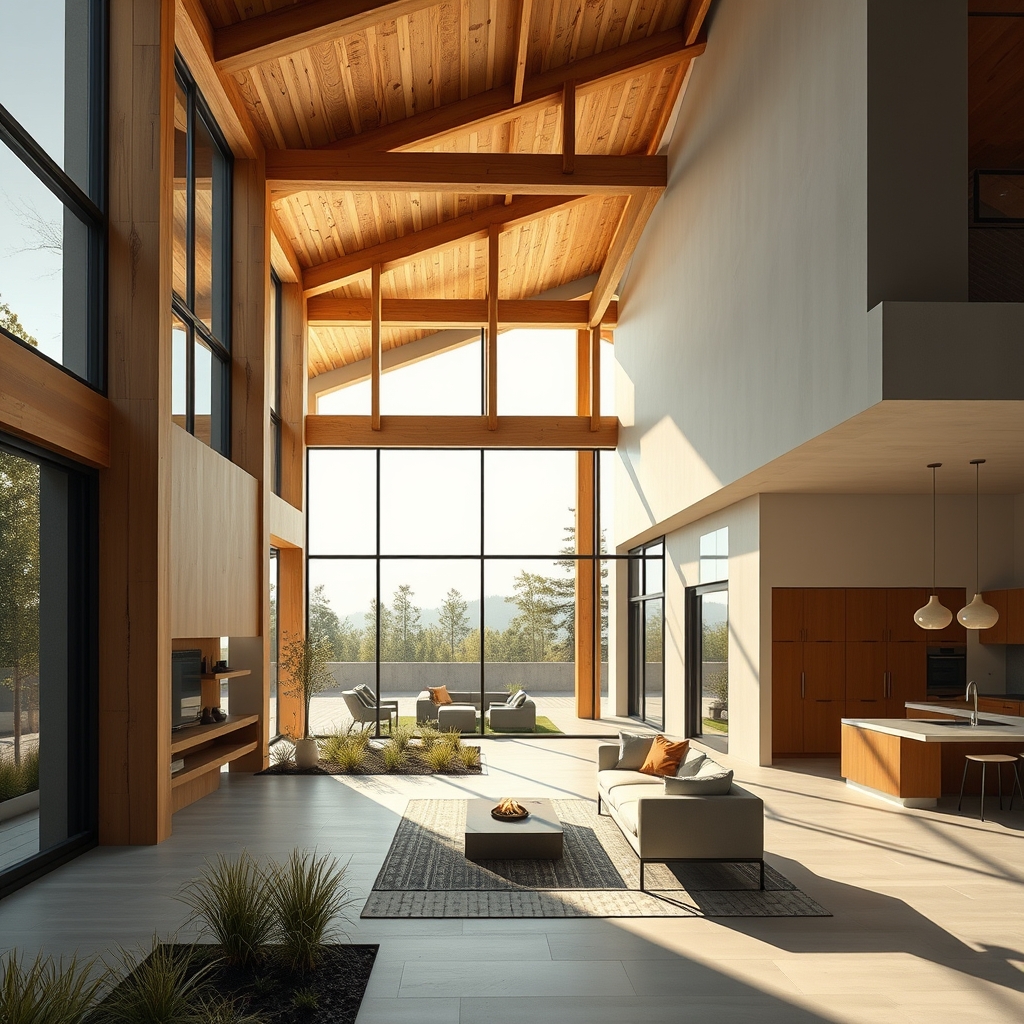
In the ever-evolving world of modern home design, the most transformative changes often occur beneath the surface. While aesthetics and smart technology frequently steal the spotlight, it’s the structural innovations that are quietly revolutionizing how we live, build, and interact with our spaces. These advancements are not just about creating visually stunning homes—they’re about redefining durability, flexibility, and sustainability from the ground up.
The Rise of Engineered Solutions
Gone are the days when home construction relied solely on traditional materials like wood and brick. Today, engineered solutions such as cross-laminated timber (CLT), structural insulated panels (SIPs), and advanced composites are pushing the boundaries of what’s possible. CLT, for instance, offers the warmth and beauty of wood while providing unparalleled strength and fire resistance. It’s a game-changer for custom home builders looking to create open-concept living spaces without the need for excessive load-bearing walls. Meanwhile, SIPs streamline the construction process by combining insulation and structural support into a single, energy-efficient panel, reducing both build time and long-term energy costs.
Sustainability Meets Structural Integrity
One of the most compelling aspects of these innovations is their alignment with sustainable home design. Materials like CLT sequester carbon, making them a far greener alternative to steel or concrete. Additionally, the precision of engineered solutions minimizes waste during construction, a critical factor in reducing the environmental footprint of new builds. For homeowners and builders alike, this means the ability to create luxury home designs that don’t compromise on eco-conscious values. The result? Spaces that are as kind to the planet as they are to the eye.
Adaptive Spaces for Modern Lifestyles
The way we live is changing, and our homes must adapt accordingly. Structural innovations are making it possible to design spaces that evolve with our needs. Movable walls, for example, allow homeowners to reconfigure their layouts with ease, transforming a home office into a guest bedroom or an open-concept living area into a cozy, segmented space. This flexibility is particularly valuable in small space design, where every square foot must serve multiple purposes. By integrating these adaptable elements, modern homes can accommodate the dynamic lifestyles of today’s families without sacrificing style or functionality.
The Role of Smart Integration
Structural innovation doesn’t exist in a vacuum—it’s deeply intertwined with smart home technology. Imagine a home where the walls themselves are embedded with sensors that monitor structural integrity, temperature, and even air quality. These systems can alert homeowners to potential issues before they become costly problems, ensuring that the home remains safe and efficient for decades. Additionally, smart glass technology can adjust its tint based on sunlight, reducing the need for artificial lighting and climate control. These advancements are not just about convenience; they’re about creating homes that actively contribute to the well-being of their inhabitants.
Redefining Outdoor Living
The boundaries between indoor and outdoor living continue to blur, thanks in part to structural innovations that make seamless transitions possible. Large sliding glass doors, retractable roofs, and even entire walls that open to the outdoors are becoming staples of modern home design. These features are often supported by advanced framing techniques that allow for expansive, unobstructed views without compromising structural integrity. For homeowners, this means the ability to enjoy nature year-round, whether it’s a summer evening on the patio or a cozy winter morning with a view of the snow-covered landscape. Landscape design ideas are also evolving to complement these structural changes, with outdoor kitchens, fire pits, and living areas becoming extensions of the home itself.
Energy Efficiency as a Structural Priority
Energy-efficient homes are no longer just a trend—they’re a necessity. Structural innovations play a crucial role in this shift, with techniques like passive solar design and thermal mass construction becoming standard practice. Passive solar design leverages the home’s orientation and materials to naturally regulate temperature, reducing the need for artificial heating and cooling. Meanwhile, thermal mass materials like concrete or stone absorb and release heat slowly, maintaining a consistent indoor climate. When combined with high-performance insulation and airtight construction, these techniques can drastically reduce a home’s energy consumption, making it both eco-friendly and cost-effective in the long run.
The Future of Custom Home Building
For custom home builders, structural innovation opens up a world of possibilities. Clients are no longer limited to cookie-cutter designs; instead, they can collaborate with architects and builders to create truly personalized spaces. Whether it’s a home with a hidden underground garage, a rooftop garden supported by advanced framing, or a modular design that can be expanded as the family grows, the options are nearly limitless. These innovations also allow for greater creativity in luxury home design, where unique architectural features and bespoke details can be seamlessly integrated into the structure.
As we look to the future, it’s clear that the homes we live in will be defined not just by their appearance, but by the invisible frameworks that support them. These structural innovations are the backbone of modern living, enabling us to create spaces that are smarter, more sustainable, and more adaptable than ever before. They remind us that true progress in home design isn’t just about what we see—it’s about what we don’t see, and how it shapes the way we live.



