
The Future of Home Renovation: Integrating Smart Tech, Sustainability, and Personalized Comfort
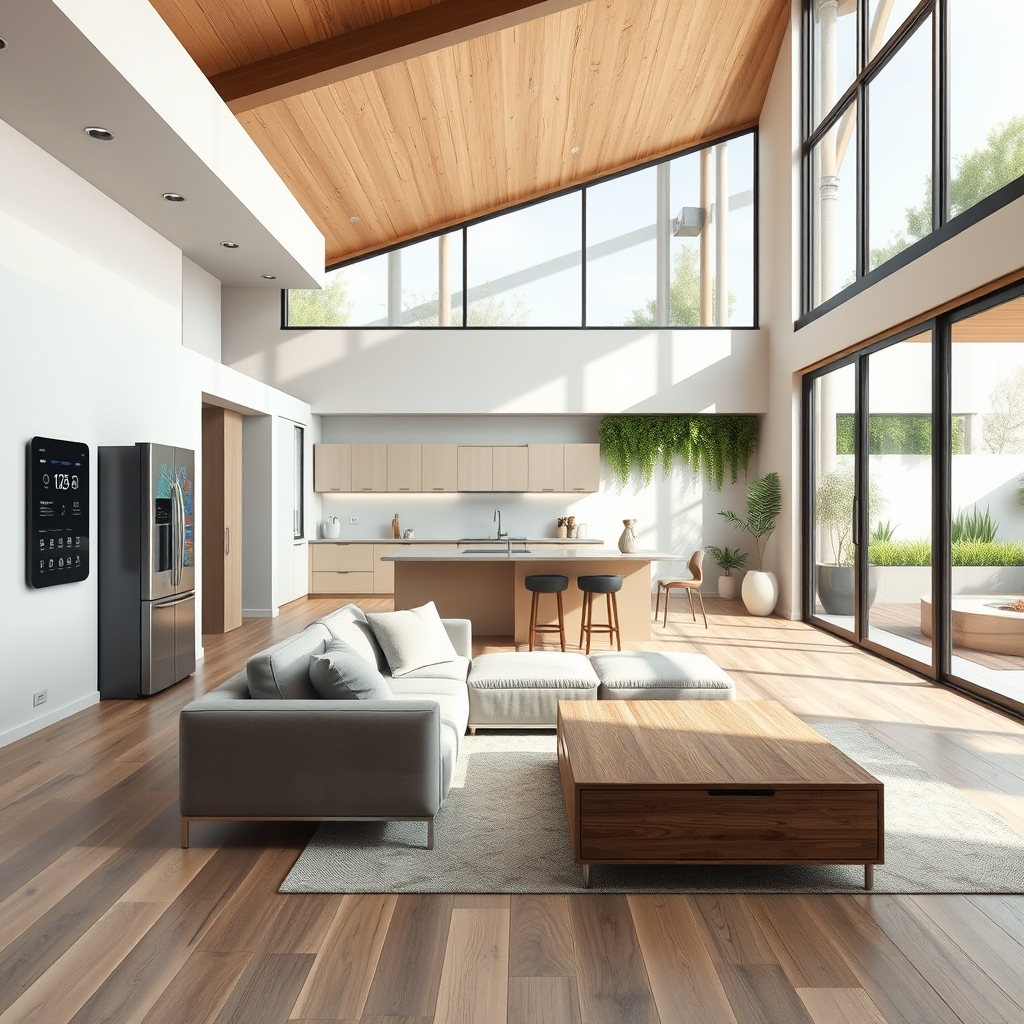
Home renovation is no longer just about aesthetics or expanding square footage—it’s about creating spaces that are intelligent, sustainable, and deeply personalized. As technology advances and environmental awareness grows, homeowners are seeking renovations that enhance both functionality and long-term value. The future of home renovation lies in the seamless integration of smart technology, eco-friendly materials, and designs that adapt to individual lifestyles.
The Smart Home Revolution
Smart home technology has moved from a luxury to a necessity in modern renovations. Voice-activated assistants, automated lighting, and climate control systems are just the beginning. Today’s renovations incorporate advanced solutions like AI-powered security systems, energy-monitoring devices, and even smart kitchens with appliances that learn user preferences. These innovations not only improve convenience but also contribute to energy efficiency, reducing utility costs and environmental impact.
For example, smart thermostats like Nest or Ecobee adjust temperatures based on occupancy, while automated window shades optimize natural light to reduce heating and cooling needs. Homeowners are increasingly opting for integrated systems that allow remote control via smartphones, ensuring their homes are efficient and responsive even when they’re away.
Sustainability as a Core Principle
Eco-conscious renovations are no longer a niche trend—they’re a standard expectation. Homeowners are prioritizing sustainable materials such as reclaimed wood, bamboo flooring, and recycled countertops. Energy-efficient windows, solar panels, and water-saving fixtures are becoming commonplace, driven by both environmental responsibility and financial incentives like tax credits and lower utility bills.
Beyond materials, passive design strategies—such as strategic window placement for natural ventilation and insulation upgrades—are gaining traction. These approaches reduce reliance on artificial heating and cooling, creating homes that are not only greener but also more cost-effective in the long run. Builders and contractors are increasingly specializing in sustainable renovations, offering expertise in LEED-certified projects and net-zero energy homes.
Personalized Spaces for Modern Lifestyles
Today’s renovations reflect the unique needs of homeowners, whether it’s creating a home office for remote work, designing a multi-functional guest room, or incorporating wellness-focused spaces like home gyms or meditation rooms. Open-concept layouts remain popular, but there’s a growing demand for flexible spaces that can adapt to changing needs—think movable walls, modular furniture, and convertible rooms.
Kitchen and bathroom renovations, in particular, are evolving to prioritize both style and functionality. Smart appliances, touchless faucets, and heated floors are becoming standard in high-end remodels, while minimalist designs with hidden storage solutions maximize space in smaller homes. Homeowners are also investing in outdoor living areas, blurring the lines between indoor and outdoor spaces with features like retractable glass walls, outdoor kitchens, and fire pits.
Choosing the Right Contractor for the Job
With so many options available, selecting the right contractor is crucial. Homeowners should look for professionals with experience in smart home integration, sustainable building practices, and custom design solutions. A reputable contractor will not only execute the renovation efficiently but also provide insights into the latest trends and technologies that align with the homeowner’s vision.
Before hiring, it’s important to review portfolios, check references, and ensure the contractor is licensed and insured. Clear communication about budget, timeline, and expectations is key to avoiding misunderstandings and ensuring a smooth renovation process. Many contractors now offer virtual consultations and 3D modeling to help homeowners visualize the final result before construction begins.
DIY vs. Professional Renovation: Striking the Right Balance
While DIY projects can be rewarding and cost-effective for small updates like painting or installing shelving, complex renovations often require professional expertise. Electrical work, plumbing, and structural changes are best left to licensed contractors to ensure safety and compliance with building codes. However, homeowners can still take an active role in the renovation process by handling cosmetic touches, sourcing materials, or managing project timelines.
For those who prefer a hands-off approach, many contractors offer turnkey solutions, handling everything from design to execution. This option is ideal for busy homeowners who want a hassle-free experience without sacrificing quality or customization.
The future of home renovation is about more than just updating a space—it’s about creating a home that is intelligent, sustainable, and tailored to the way we live. By embracing smart technology, eco-friendly materials, and personalized design, homeowners can transform their spaces into functional, future-proof sanctuaries that enhance daily life while minimizing environmental impact. Whether it’s a small upgrade or a full-scale remodel, the key is to approach the project with a clear vision and the right team to bring it to life.



