The Role of Art in Modern Home Design: How to Choose the Perfect Pieces
Art has the power to transform a house into a home, infusing personality, emotion, and visual interest into every corner. In modern home design, where clean lines, minimalism, and intentionality reign, the right artwork can elevate a space from ordinary to extraordinary. Whether you’re drawn to bold abstract paintings, serene landscapes, or eclectic sculptures, selecting the perfect pieces requires a balance of personal taste, spatial awareness, and design harmony. Here’s how to curate art that resonates with your style and enhances your living environment.
The Impact of Art in Modern Interiors
Art is more than just decoration; it’s a reflection of your identity and a catalyst for conversation. In contemporary interiors, where simplicity often takes center stage, artwork serves as a focal point that adds depth and character. A well-chosen piece can anchor a room, create a mood, or even influence the perception of space. For instance, large-scale art can make a small room feel more expansive, while a gallery wall can add warmth to a stark, modern setting. The key is to select pieces that not only appeal to you aesthetically but also complement the architectural and design elements of your home.
Understanding Different Art Styles
Modern home design embraces a wide range of art styles, each offering a unique vibe. Here’s a breakdown of some popular styles and how they can fit into your space:
Abstract Art
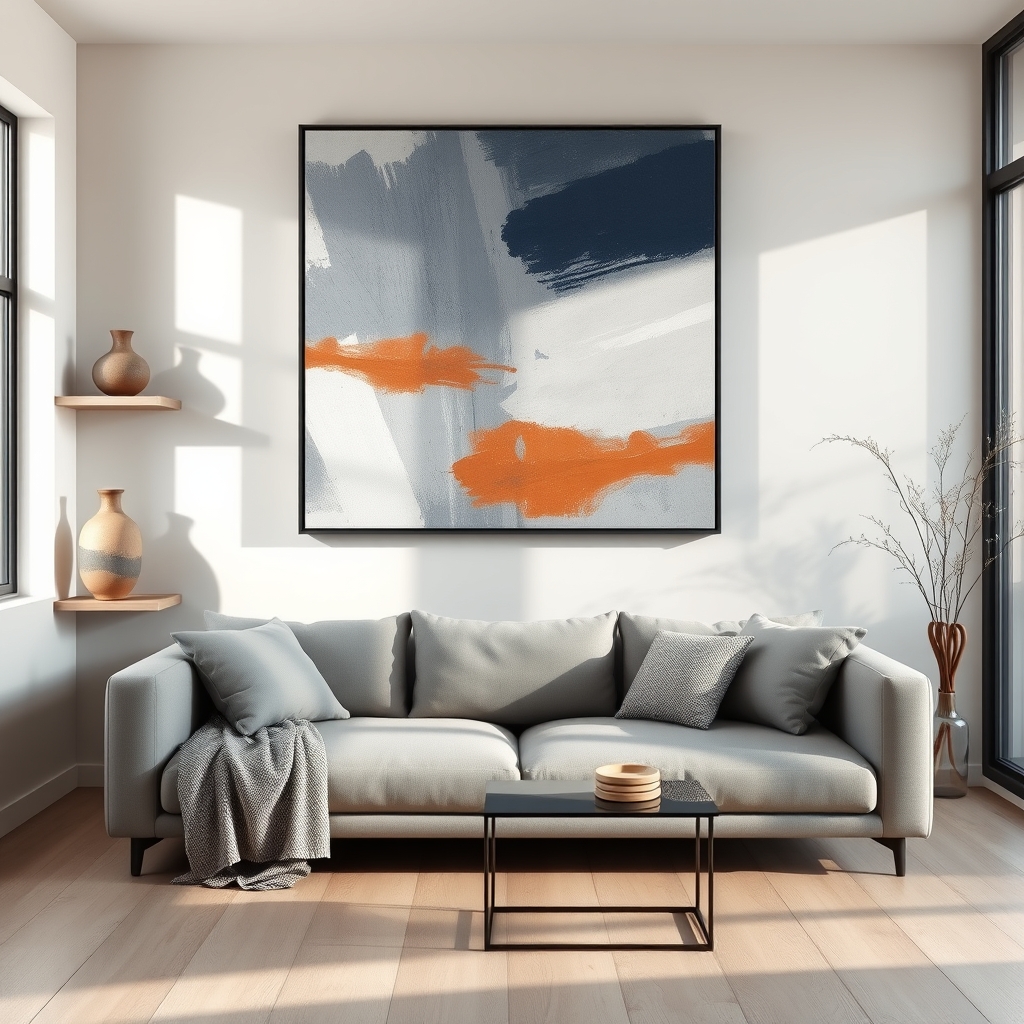
Abstract art is a favorite in modern interiors for its ability to evoke emotion without relying on representational forms. Its bold colors, dynamic shapes, and fluid compositions can add energy to a minimalist room or serve as a striking contrast in a more traditional setting. When choosing abstract art, consider the color palette of your space. A piece with hues that echo your furniture or decor can create a cohesive look, while a contrasting palette can make a bold statement.
Minimalist Art
Minimalist art aligns perfectly with the principles of modern design—simplicity, functionality, and restraint. Characterized by clean lines, neutral tones, and subtle textures, minimalist pieces can enhance the tranquility of a space. This style works particularly well in bedrooms, bathrooms, or any area where you want to cultivate a sense of calm. Look for monochromatic paintings, geometric prints, or black-and-white photography to achieve this look.
Contemporary and Modern Art
Contemporary art, which includes works created in the late 20th century to the present, often features innovative techniques and unconventional materials. This style can add a cutting-edge feel to your home, especially if you’re drawn to avant-garde or experimental designs. Modern art, on the other hand, typically refers to pieces from the early to mid-20th century, such as works by artists like Picasso or Mondrian. Both styles can bring a sense of sophistication and cultural relevance to your interiors.
Traditional and Classic Art
While modern design often leans toward the contemporary, traditional art can still find a place in a modern home. Classic landscapes, portraits, or still-life paintings can add a timeless elegance to a space, particularly when paired with neutral or muted tones. To keep the look fresh, opt for traditional art in sleek, modern frames or mix it with contemporary pieces for an eclectic vibe.
Choosing the Right Size and Scale
Size matters when it comes to selecting artwork for your home. A piece that’s too small can get lost on a large wall, while one that’s too large can overwhelm a space. Here’s how to strike the right balance:
Large-Scale Art
Large artworks are ideal for creating a dramatic focal point in a room. They work particularly well in living rooms, dining areas, or above a bed or sofa. When hanging a large piece, ensure it’s centered and proportionate to the wall and furniture below it. For example, a statement painting above a sofa should be about two-thirds the width of the furniture to maintain visual harmony.
Small and Medium-Sized Art
Smaller pieces are perfect for adding layers of interest to a space. They can be grouped together to create a gallery wall, placed on shelves, or hung in clusters to fill a narrow wall. When arranging multiple pieces, keep the spacing consistent—typically 2 to 3 inches between each frame—to create a cohesive look. Medium-sized artworks can also stand alone in smaller rooms, such as hallways or bathrooms, where they can draw the eye without dominating the space.
Three-Dimensional Art
Sculptures, ceramics, and other three-dimensional artworks can add texture and depth to a modern interior. These pieces work well on shelves, mantels, or as standalone statement pieces in a room. When selecting 3D art, consider the material and finish—metal, wood, or glass can each bring a different energy to your space. For example, a sleek metal sculpture can complement a contemporary aesthetic, while a rustic wooden piece can add warmth to a minimalist room.
Framing and Presentation
The frame you choose can significantly impact how a piece of art is perceived. In modern design, frames are often understated, allowing the artwork to take center stage. Here are some framing options to consider:
Floating Frames
Floating frames create the illusion that the artwork is suspended within the frame, adding a modern, gallery-like feel. These frames work particularly well for contemporary and abstract pieces, as they emphasize the art without distracting from it.
Thin Metal Frames
Thin metal frames, such as those in black, gold, or silver, are a popular choice for modern interiors. They provide a clean, minimalist border that complements a variety of art styles. Metal frames are especially effective for black-and-white photography or monochromatic artworks.
Wooden Frames
Wooden frames can add warmth and texture to a space, making them a great choice for traditional or rustic art. Opt for light or natural wood tones to keep the look modern, or choose a dark-stained frame for a more dramatic effect. Wooden frames work well with landscapes, portraits, and still-life paintings.
No Frame (Canvas or Acrylic)
For a sleek, contemporary look, consider unframed art. Canvas prints or acrylic-mounted pieces can create a seamless, modern aesthetic that blends effortlessly with your decor. This option is ideal for abstract or minimalist art, where the focus is on the artwork itself.
Placement and Arrangement Tips
Once you’ve selected your artwork, the next step is to place it in a way that enhances your space. Here are some tips to ensure your art is displayed to its full potential:
Eye-Level Rule
The general rule of thumb is to hang artwork at eye level, which is typically 57 to 60 inches from the floor to the center of the piece. This ensures that the art is easily visible and creates a natural focal point in the room. In spaces where people are often seated, such as dining rooms or home offices, you may want to hang the art slightly lower to accommodate the seated eye level.
Grouping Artwork
Grouping multiple pieces together can create a dynamic and visually engaging display. When arranging a gallery wall, start by laying out the pieces on the floor to experiment with different configurations. You can opt for a symmetrical layout for a formal look or an asymmetrical arrangement for a more eclectic vibe. Mixing different sizes, styles, and frames can add depth and personality to your display.
Lighting Your Art
Proper lighting can enhance the impact of your artwork and draw attention to its details. Consider using track lighting, picture lights, or even natural light to highlight your pieces. Avoid placing art in direct sunlight, as this can cause fading over time. Instead, opt for diffused or indirect lighting to preserve the integrity of the artwork while showcasing its beauty.
Art is a powerful tool in modern home design, capable of transforming a space into a reflection of your personality and style. By carefully selecting pieces that resonate with you, considering their size and placement, and paying attention to framing and lighting, you can create a home that feels both curated and deeply personal. Whether you’re drawn to the bold strokes of abstract art or the quiet elegance of minimalist pieces, the right artwork can turn your house into a sanctuary of self-expression and creativity. The beauty of art lies in its ability to evolve with you, adapting to your changing tastes and the shifting dynamics of your living space, making every piece a timeless addition to your home.