
The Intersection of Sustainability and Luxury: Crafting Eco-Conscious Modern Homes Without Compromise
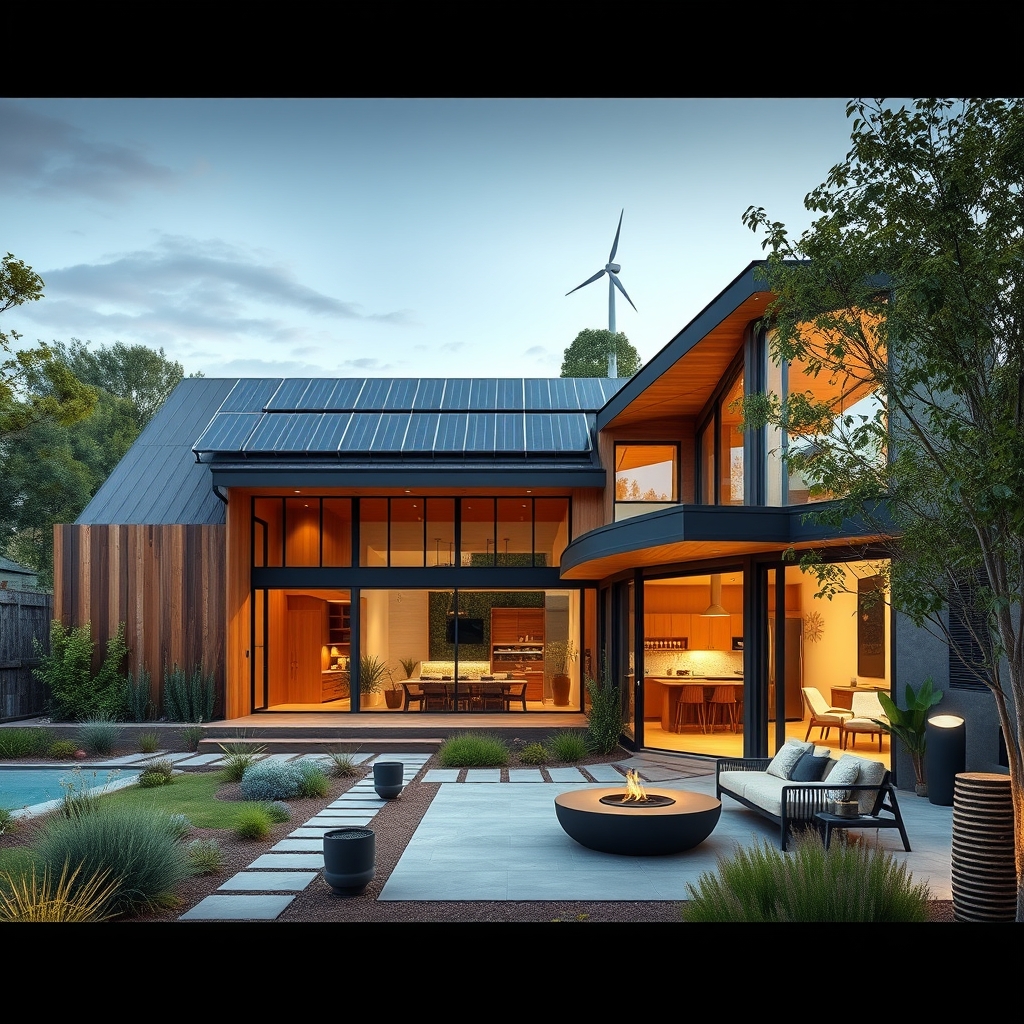
In an era where environmental consciousness is no longer a niche concern but a global imperative, the world of modern home design has undergone a profound transformation. Today’s homeowners are increasingly seeking spaces that not only exude luxury and sophistication but also align with their values of sustainability and responsibility. The challenge, however, lies in striking the perfect balance—creating homes that are both opulent and eco-friendly, without sacrificing one for the other. The good news? This balance is not only achievable but is redefining what it means to live in a modern, high-end home.
The New Definition of Luxury
Luxury in home design has traditionally been associated with excess—sprawling spaces, rare materials, and lavish details. Yet, as awareness of environmental issues grows, so too does the definition of luxury. Today, true luxury is about quality over quantity, intentionality over extravagance, and sustainability over waste. It’s about creating spaces that feel indulgent while leaving the smallest possible footprint on the planet. This shift is not just a trend; it’s a fundamental change in how we perceive and prioritize our living environments.
Modern luxury homes now incorporate reclaimed wood, recycled metals, and low-VOC (volatile organic compound) paints, proving that eco-conscious choices can enhance rather than detract from a home’s aesthetic appeal. For instance, a kitchen featuring countertops made from recycled glass or a bathroom adorned with tiles crafted from repurposed ceramics can be just as striking as their conventional counterparts—if not more so. These materials often come with unique textures and stories, adding depth and character to a space that mass-produced alternatives simply cannot match.
Smart Technology: The Backbone of Sustainable Luxury
No discussion of modern home design would be complete without addressing the role of smart technology. When integrated thoughtfully, smart home systems can significantly reduce a home’s environmental impact while elevating its functionality and comfort. Energy-efficient lighting, automated climate control, and solar-powered systems are just a few examples of how technology can make a home both smarter and greener.
Imagine a home where your thermostat learns your preferences and adjusts itself to optimize energy use, or where your lighting system dims automatically based on natural light levels, reducing electricity consumption. These features are no longer the stuff of science fiction; they are readily available and increasingly affordable. Moreover, smart home technology can provide homeowners with real-time data on their energy usage, empowering them to make informed decisions about their consumption habits. This level of control is not just convenient—it’s a game-changer for those committed to sustainable living.
Energy Efficiency as a Standard
Energy efficiency is a cornerstone of sustainable home design, and modern builders are rising to the challenge with innovative solutions. From passive solar design to geothermal heating and cooling systems, today’s homes are being constructed with energy conservation in mind. High-performance windows, insulation, and air sealing techniques ensure that homes remain comfortable year-round while minimizing the need for artificial heating or cooling. These features not only reduce a home’s carbon footprint but also translate into significant cost savings over time, making them a wise investment for any homeowner.
For those embarking on a renovation, upgrading to energy-efficient appliances and fixtures is one of the most impactful steps you can take. ENERGY STAR-rated appliances, low-flow plumbing fixtures, and LED lighting are simple yet effective ways to enhance a home’s sustainability without compromising on style or performance. Even small changes, like installing a smart irrigation system for your garden, can make a big difference in water conservation—a critical consideration in many parts of the world.
Biophilic Design: Bringing Nature Indoors
Another key trend in sustainable luxury home design is biophilic design, which seeks to connect occupants more closely with nature. This approach goes beyond simply adding a few houseplants to a room; it involves integrating natural elements into the very fabric of a home’s design. Large windows that frame views of the outdoors, indoor water features, and the use of natural materials like stone and wood all contribute to a sense of harmony between the built environment and the natural world.
Biophilic design has been shown to improve mental well-being, reduce stress, and even boost productivity—benefits that align perfectly with the goals of modern luxury living. A home that incorporates these principles doesn’t just look beautiful; it feels alive, fostering a deeper connection to the environment and promoting a sense of tranquility. For example, a living room with a living green wall or a bedroom featuring a skylight that allows natural light to flood the space can transform a house into a sanctuary, blurring the lines between indoors and out.
The Role of Outdoor Living Spaces
Outdoor living spaces are another area where sustainability and luxury intersect seamlessly. A well-designed patio, deck, or garden can extend the usable square footage of a home while providing a space to relax, entertain, and connect with nature. Sustainable landscaping practices, such as xeriscaping (using drought-tolerant plants) or installing permeable paving, can further reduce a home’s environmental impact while enhancing its curb appeal.
For those with the space, features like outdoor kitchens, fire pits, and even swimming pools can be designed with sustainability in mind. Solar-powered heating systems, rainwater harvesting, and native plant gardens are just a few ways to create an outdoor oasis that is as eco-friendly as it is luxurious. These spaces not only add value to a home but also encourage a lifestyle that is more in tune with the natural world.
Custom Builders and the Future of Sustainable Luxury
As demand for sustainable luxury homes grows, custom builders are stepping up to meet the challenge. These professionals are not just constructing houses; they are crafting bespoke living experiences that reflect the unique values and lifestyles of their clients. By working closely with architects, designers, and homeowners, custom builders can ensure that every aspect of a home—from its layout to its materials—is optimized for both luxury and sustainability.
One of the advantages of working with a custom builder is the ability to incorporate cutting-edge technologies and materials that may not be available in standard home designs. For example, a custom home might feature a green roof, which provides insulation, reduces stormwater runoff, and creates a habitat for local wildlife. Alternatively, it might include a home automation system that integrates seamlessly with renewable energy sources, such as solar panels or wind turbines. These features not only enhance a home’s sustainability but also set it apart as a true masterpiece of modern design.
The journey toward sustainable luxury is not about deprivation or compromise; it’s about reimagining what it means to live well. It’s about creating homes that are as kind to the planet as they are indulgent for their occupants. As technology advances and our understanding of sustainability deepens, the possibilities for eco-conscious luxury homes will only continue to expand. The homes of the future will not be defined by their size or opulence, but by their ability to harmonize with the environment, enrich the lives of their inhabitants, and stand as testaments to the idea that true luxury is sustainable.



