
Future-Proofing Your Home: A Guide to Sustainable Design & Smart Integration
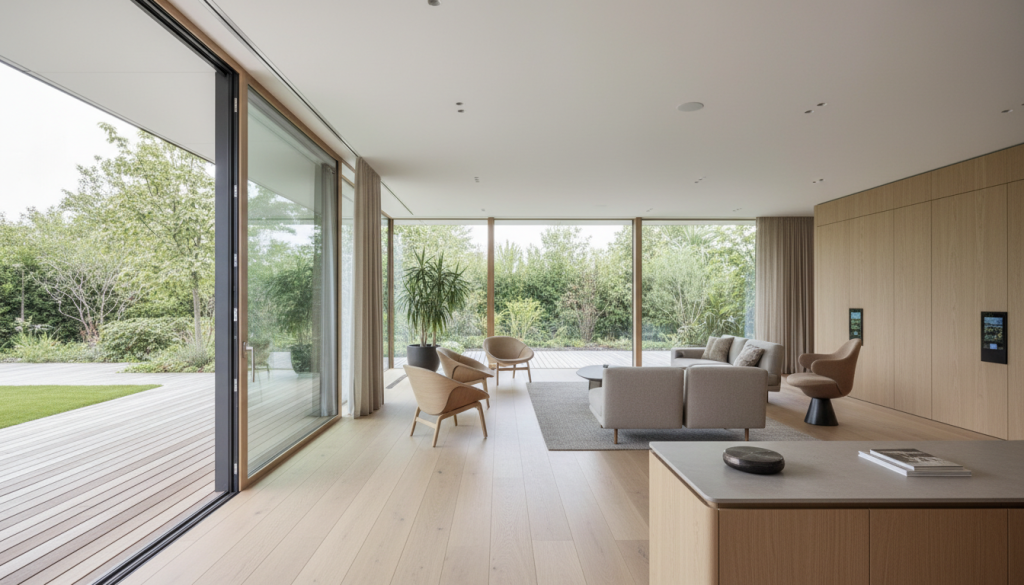
Are you dreaming of a home that not only looks stunning but also functions intelligently and respects the planet? The modern homeowner seeks more than just aesthetics; they desire spaces that are efficient, healthy, and adaptable. Integrating principles of Sustainable Architecture into your home design is no longer a niche choice but a fundamental aspect of contemporary living, promising long-term benefits for both residents and the environment. Let’s explore how cutting-edge design philosophies are shaping the homes of tomorrow, blending beauty with purpose.
Embracing Sustainable Architecture and Eco-Friendly Materials
At the heart of future-proofed homes lies a commitment to sustainable practices. This involves thoughtful site planning, optimizing natural light and ventilation, and minimizing energy consumption. Choosing Eco Friendly Materials such as reclaimed wood, bamboo, recycled steel, and low-VOC paints significantly reduces your home’s environmental footprint. These choices contribute to healthier indoor air quality and support a circular economy.
Furthermore, designing for Energy Efficient Homes means incorporating advanced insulation, high-performance windows, and renewable energy sources like solar panels. Such features not only reduce utility bills but also provide a comfortable living environment year-round. Prioritizing passive design strategies can dramatically lower your reliance on artificial heating and cooling systems.
Seamless Smart Home Integration for Modern Living
Beyond environmental responsibility, modern homes excel in intelligent functionality. Smart Home Integration brings unparalleled convenience and control to your fingertips. Imagine adjusting your thermostat, locking doors, or monitoring security cameras from anywhere in the world using your smartphone.
A key component of this integration is advanced Smart Lighting Systems. These systems can adapt to natural light levels, optimize energy usage, and even enhance your mood with customizable ambiance settings. From motion-activated lights to voice-controlled scenes, smart lighting transforms how you interact with your living space, making it more responsive and intuitive.
Designing for Wellness and Connection
Your home should be a sanctuary that promotes well-being. Biophilic Design principles, which integrate natural elements and processes into the built environment, are crucial here. Think large windows framing lush views, indoor plants, and natural textures that soothe the senses.
Creating dedicated Wellness Spaces, whether a serene yoga nook or a spa-like bathroom, further enhances your home’s restorative qualities. Moreover, fostering Indoor Outdoor Living through expansive sliding doors, inviting patios, and thoughtfully designed gardens blurs the lines between interior and exterior. This connection to nature enriches daily life and provides refreshing environments for relaxation and entertainment.
Aesthetic Trends: From Minimalist to Modern Farmhouse
While sustainability and smart tech are foundational, style remains paramount. Many homeowners gravitate towards Minimalist Interiors, characterized by clean lines, uncluttered spaces, and a focus on essential elements. This approach creates a sense of calm and order.
Conversely, the warmth of Modern Farmhouse Style continues to charm, blending rustic elements with contemporary finishes. For those seeking eclectic flair, Scandi Boho Decor offers a harmonious mix of Nordic simplicity and bohemian textures. Meanwhile, the timeless appeal of Mid Century Modern furniture and the raw charm of Industrial Loft Design provide distinct character and sophistication.
Regardless of the overarching style, the strategic use of Natural Wood Finishes and a palette of comforting Earthy Tones can ground any interior. These elements bring warmth, authenticity, and a connection to the natural world, enhancing the overall aesthetic appeal of your home.
Crafting Functional and Flexible Spaces
Modern living demands versatility. Open Floor Plans remain popular, promoting flow and connection between living, dining, and kitchen areas. However, the rise of remote work has also highlighted the importance of a dedicated Luxury Home Office, designed for productivity and comfort.
The key to maximizing utility often lies in ingenious storage and adaptable furnishings. Custom Cabinetry can transform awkward corners into efficient storage solutions, while Multifunctional Spaces, such as a guest room that doubles as a gym, cater to evolving needs. Even design elements like elegant Curved Furniture can define zones within an open layout without sacrificing fluidity, adding both softness and sculptural interest.
Crafting a home that truly serves you means looking beyond fleeting trends to embrace enduring principles of design. By integrating sustainable practices, smart technologies, and personalized aesthetics, you create an environment that is not only beautiful and efficient but also deeply nurturing. Begin by identifying what truly matters to you – whether it’s reducing your carbon footprint, simplifying daily tasks, or fostering a stronger connection to nature – and let these values guide your design choices towards a more fulfilling and future-ready living experience.



