Crafting Homes That Dance with Human Experience
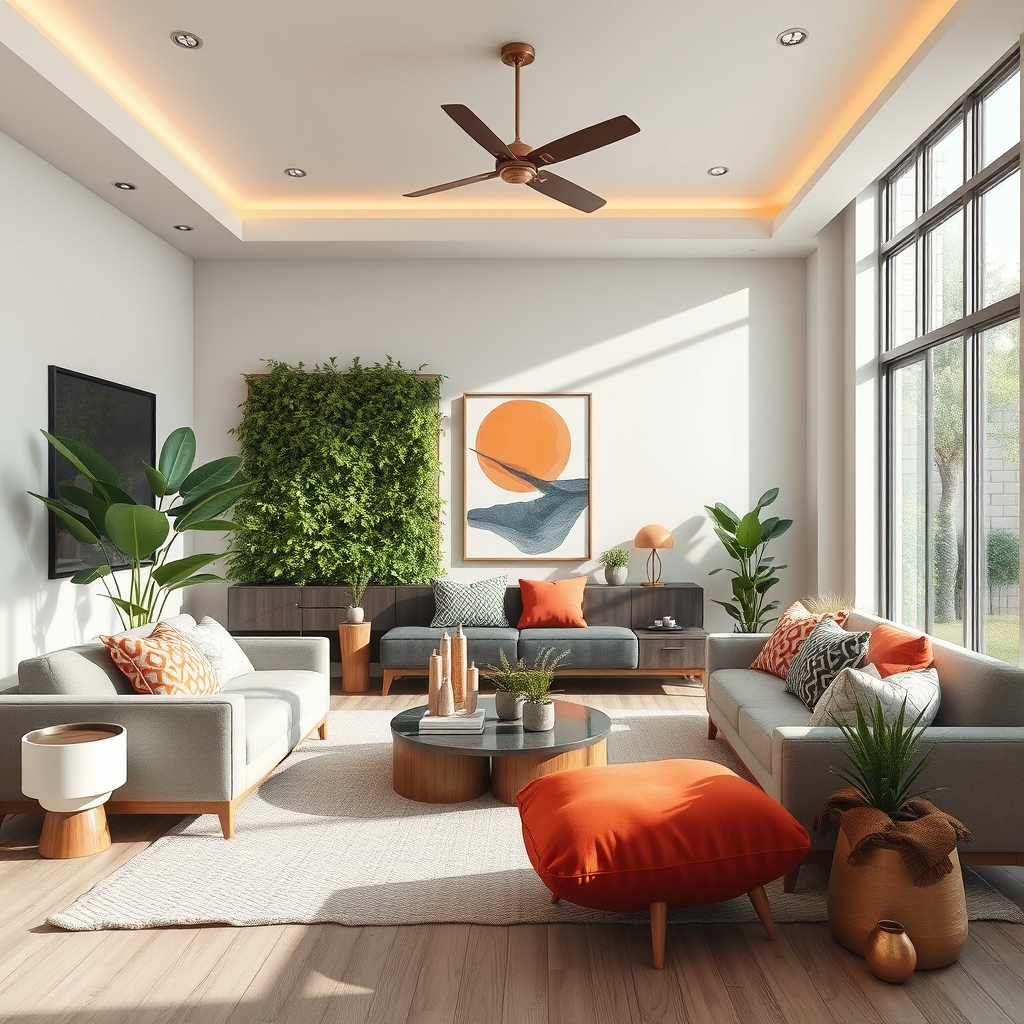
In the realm of interior design, the concept of ‘Immersive Spatial Design’ has emerged as a transformative approach, shifting the focus from mere aesthetics to creating spaces that engage all the senses. This holistic method is not just about visual appeal but about crafting environments that resonate with our emotions, enhance our well-being, and adapt to our evolving needs.
Sensory Interior Environments
Sensory interior environments are at the heart of this design philosophy. They are spaces that stimulate our senses, creating a multi-dimensional experience. Imagine walking into a room where the texture of the walls, the scent of the air, the play of light, and the subtle sounds all work in harmony to evoke a sense of calm or invigoration. This is the power of sensory design.
Human Centric Architecture
Human centric architecture places people at the core of the design process. It’s about understanding the needs, behaviors, and emotions of the inhabitants and designing spaces that cater to these aspects. This approach ensures that homes are not just functional but also emotionally resonant.
Adaptive Living Spaces
Adaptive living spaces are designed to evolve with the changing needs of their inhabitants. Whether it’s a growing family, a shift in lifestyle, or the need for multi-functional areas, these spaces can be easily reconfigured. This flexibility is key to creating homes that stand the test of time.
Biophilic Design Integration
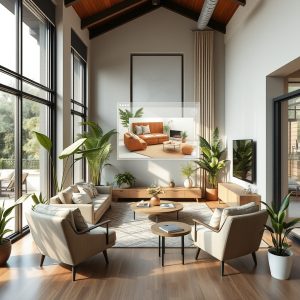
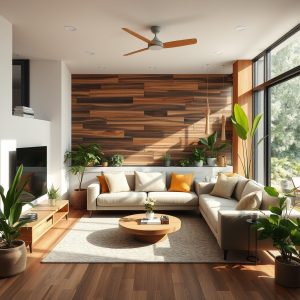
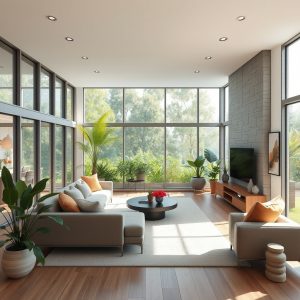
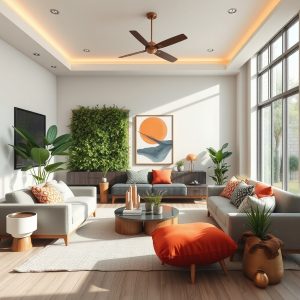
Biophilic design integration brings nature into our living spaces. It’s about incorporating natural elements like plants, natural light, and organic materials to create a connection with the outdoors. This not only enhances the aesthetic appeal but also promotes mental and physical well-being.
Personalized Interior Concepts
Personalized interior concepts are about creating spaces that reflect the unique personality and preferences of the inhabitants. This could mean incorporating personal mementos, choosing colors that evoke certain emotions, or designing layouts that cater to specific habits and routines.
Sustainable Home Styling
Sustainable home styling is about making conscious choices that minimize environmental impact. This includes using eco-friendly materials, energy-efficient appliances, and sustainable practices in the design and maintenance of the home.
Interactive Interior Planning
Interactive interior planning involves the inhabitants in the design process. This could mean using digital tools to visualize different layouts, or simply having open discussions about preferences and needs. This collaborative approach ensures that the final design is truly reflective of the inhabitants’ desires.
Psychological Space Optimization
Psychological space optimization is about designing spaces that positively influence our mental state. This could mean creating areas for relaxation, spaces that encourage social interaction, or layouts that promote productivity and focus.
Digital Twin Interior Modeling
Digital twin interior modeling is a cutting-edge technology that allows designers to create virtual replicas of physical spaces. This enables them to experiment with different designs, test their functionality, and make adjustments before any physical work begins.
Wellness Focused Home Design
Wellness focused home design is about creating spaces that promote health and well-being. This could mean incorporating elements like air purification systems, ergonomic furniture, or layouts that encourage physical activity.
Emotionally Resonant Interiors
Emotionally resonant interiors are spaces that evoke specific emotions or memories. This could mean using colors that evoke calmness, incorporating textures that bring comfort, or designing layouts that facilitate meaningful interactions.
Co Creative Design Processes
Co creative design processes involve collaboration between designers and inhabitants. This could mean working together to brainstorm ideas, make decisions, or even participate in the creation process. This collaborative approach ensures that the final design is a true reflection of the inhabitants’ desires.
Flexible Living Solutions
Flexible living solutions are about creating spaces that can adapt to different needs and uses. This could mean designing rooms that can serve multiple purposes, or incorporating furniture that can be easily reconfigured.
Smart Home Experience Design
Smart home experience design is about integrating technology into our living spaces in a way that enhances our daily lives. This could mean using smart appliances, automated lighting, or voice-controlled systems to create a seamless and intuitive living experience.
Conscious Material Selection
Conscious material selection is about making informed choices about the materials used in our homes. This could mean choosing materials that are sustainable, non-toxic, or locally sourced. It’s about creating spaces that are not only beautiful but also responsible.
Minimalist Lifestyle Design
Minimalist lifestyle design is about creating spaces that are simple, uncluttered, and focused on the essentials. This could mean using a neutral color palette, incorporating multi-functional furniture, or designing layouts that promote a sense of calm and clarity.
Cultural Narrative Interiors
Cultural narrative interiors are spaces that tell a story about the inhabitants’ heritage, experiences, or values. This could mean incorporating artifacts from different cultures, using traditional design elements, or creating layouts that reflect specific cultural practices.
Holistic Room Layouts
Holistic room layouts are about designing spaces that consider all aspects of the inhabitants’ lives. This could mean creating layouts that promote social interaction, facilitate daily routines, or cater to specific hobbies and interests.
In the end, crafting homes that dance with human experience is about creating spaces that are not just places to live, but places to thrive. It’s about designing environments that engage all our senses, cater to our emotional needs, and adapt to our changing lives. It’s about creating homes that are truly our own, reflecting our unique personalities, values, and experiences. This is the future of interior design, and it’s a future that promises to be as beautiful as it is meaningful.