
The Future of Outdoor Living: Designing Seamless Indoor-Outdoor Spaces for Modern Homes
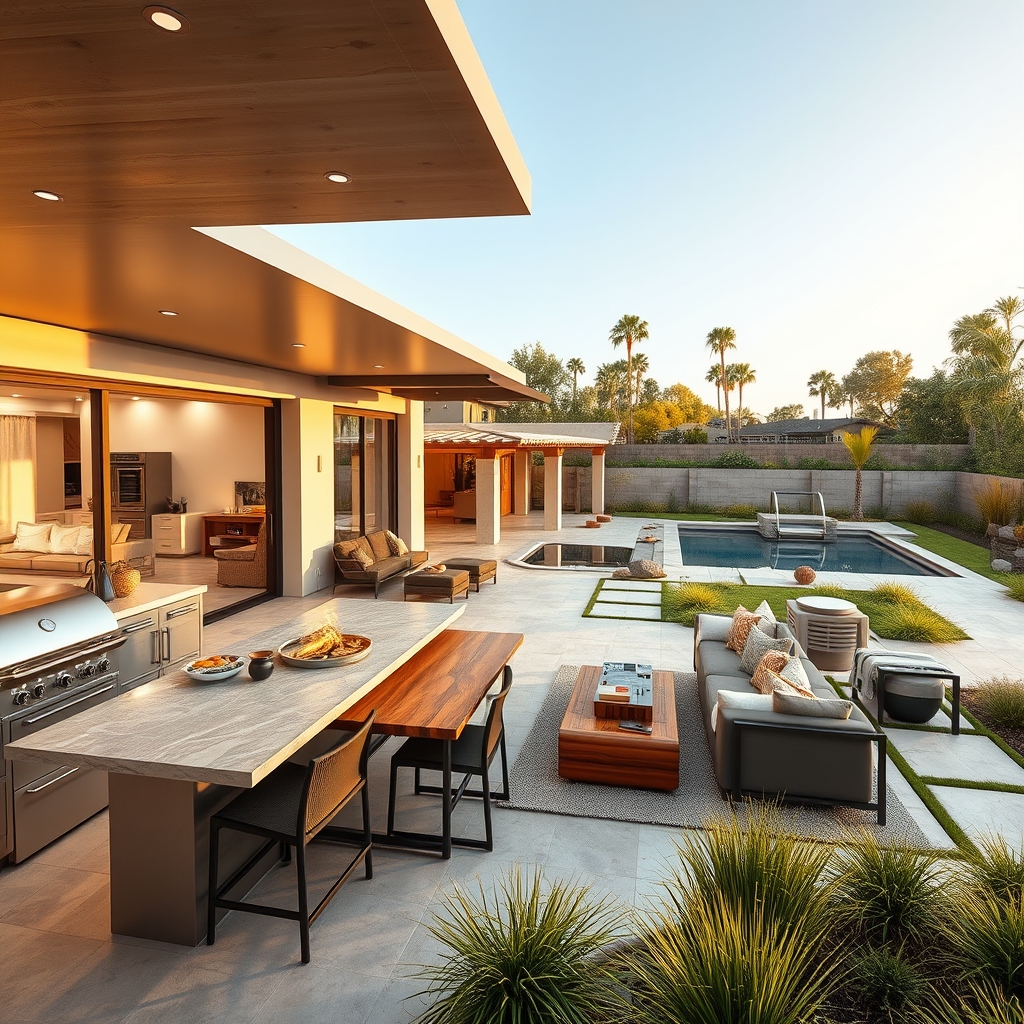
In the ever-evolving landscape of modern home design, the boundaries between indoor and outdoor living are becoming increasingly blurred. Homeowners are no longer satisfied with a simple patio or deck; they crave immersive, functional spaces that extend their living areas into nature while maintaining the comforts and aesthetics of the indoors. This shift reflects a deeper desire for connection—with the environment, with family, and with the fluidity of modern lifestyles. The future of outdoor living is not just about adding a few pieces of furniture outside; it’s about reimagining how we interact with our homes and the world beyond their walls.
The Philosophy Behind Seamless Indoor-Outdoor Design
The concept of seamless indoor-outdoor living is rooted in the idea of harmony. It’s about creating a cohesive experience where the transition from inside to outside feels natural and effortless. This philosophy is driven by several key principles: continuity in design, functionality that adapts to different needs, and a deep respect for the natural environment. By breaking down the barriers between these spaces, homeowners can enjoy the best of both worlds—privacy and openness, shelter and sunlight, comfort and adventure.
Architects and designers are achieving this by using consistent materials, color palettes, and design elements that flow from indoor to outdoor spaces. For example, large sliding glass doors or retractable walls can physically erase the divide, while matching flooring materials—like polished concrete or natural stone—can visually unify the areas. The goal is to create a sense of expansion, where the outdoors feels like a natural extension of the home rather than a separate entity.
Key Trends Shaping Modern Outdoor Living Spaces
1. Multi-Functional Outdoor Rooms
Gone are the days when outdoor spaces were limited to a grill and a few chairs. Today’s outdoor living areas are designed to function as true extensions of the home, complete with kitchens, dining areas, lounges, and even home offices. Outdoor kitchens, for instance, are no longer just about a built-in grill; they now feature full countertops, sinks, refrigerators, and even pizza ovens. These spaces are equipped to handle everything from casual family dinners to large gatherings, making them as versatile as any indoor room.
Similarly, outdoor lounges are being designed with the same level of comfort and style as indoor living rooms. Weather-resistant sofas, sectionals, and coffee tables create cozy seating areas, while outdoor rugs and throw pillows add warmth and personality. For those who work from home, outdoor offices are becoming a popular addition, offering a refreshing change of scenery while maintaining productivity.
2. Smart Technology Integration
Smart home technology is making its way outdoors, enhancing convenience, security, and entertainment. Automated lighting systems can be programmed to create the perfect ambiance for any occasion, from intimate dinners to lively parties. Weather-resistant smart speakers and outdoor TVs allow homeowners to enjoy their favorite music and shows while soaking up the sun or stargazing at night. Even irrigation systems and outdoor heating can be controlled via smartphone, ensuring that the space is always ready for use, regardless of the weather.
Security is another area where smart technology is making a big impact. Outdoor cameras, motion sensors, and smart locks provide peace of mind, allowing homeowners to monitor their property remotely. Some systems even integrate with outdoor lighting, automatically illuminating pathways or deterring intruders when motion is detected.
3. Sustainable and Eco-Friendly Design
Sustainability is a driving force in modern outdoor design. Homeowners are increasingly seeking ways to minimize their environmental impact while maximizing their connection to nature. This includes using eco-friendly materials like reclaimed wood, recycled composite decking, and natural stone. Permeable paving solutions, such as gravel or permeable concrete, help manage rainwater runoff and reduce erosion, while native plants and drought-resistant landscaping reduce the need for excessive watering.
Solar-powered lighting and heating systems are also gaining popularity, allowing homeowners to enjoy their outdoor spaces without relying on traditional energy sources. Rainwater harvesting systems can be integrated into the design to irrigate gardens, further reducing the home’s environmental footprint. By prioritizing sustainability, outdoor living spaces can be both beautiful and responsible.
4. Wellness-Focused Outdoor Spaces
The pursuit of wellness has extended beyond the confines of indoor gyms and spas. Modern outdoor living spaces are being designed to promote physical and mental well-being, offering areas for relaxation, exercise, and rejuvenation. Yoga decks, meditation gardens, and outdoor showers provide opportunities for mindfulness and stress relief, while swimming pools, hot tubs, and saunas offer spaces for physical activity and relaxation.
Fire pits and outdoor fireplaces are another popular addition, creating a cozy atmosphere that encourages gathering and conversation. These features not only extend the usability of outdoor spaces into the cooler months but also foster a sense of community and connection. For those with green thumbs, garden spaces—whether for growing vegetables or cultivating flowers—provide a therapeutic outlet and a deeper connection to nature.
Designing for Year-Round Enjoyment
One of the biggest challenges in outdoor living design is ensuring that the space can be enjoyed year-round, regardless of climate. This requires thoughtful planning and the use of materials and technologies that can withstand the elements. In colder climates, heated flooring, fire pits, and outdoor heaters can make outdoor spaces usable even in winter. Retractable awnings, pergolas, and shade sails provide relief from the sun in warmer months, while weather-resistant fabrics and materials ensure durability in all conditions.
For those in regions with unpredictable weather, covered outdoor spaces—such as pavilions, gazebos, or screened-in porches—offer protection from rain, wind, and insects. These structures can be designed to blend seamlessly with the home’s architecture, ensuring that they enhance rather than detract from the overall aesthetic. By planning for all seasons, homeowners can maximize their investment and enjoy their outdoor spaces no matter the time of year.
Bringing It All Together: A Case Study in Modern Outdoor Living
Consider a modern home in a suburban setting, where the backyard has been transformed into a multi-functional outdoor oasis. The space features a large patio with a built-in kitchen, complete with a grill, sink, and refrigerator, as well as a dining area that seats ten. Adjacent to the kitchen is a lounge area with weather-resistant sofas and a coffee table, centered around a gas fire pit. A retractable pergola provides shade during the day and can be closed to retain heat in the evening.
Beyond the patio, a swimming pool with a built-in hot tub and a small waterfall creates a focal point for relaxation and entertainment. Nearby, a yoga deck overlooks a meditation garden, offering a serene space for mindfulness. The landscaping is designed with native plants and drought-resistant grasses, reducing the need for watering and maintenance. Smart lighting and speakers are integrated throughout the space, allowing the homeowners to control the ambiance with a tap on their smartphone.
This example illustrates how modern outdoor living spaces can be designed to meet a variety of needs—entertaining, relaxing, exercising, and connecting with nature—all while maintaining a cohesive and stylish aesthetic. It’s a testament to the idea that outdoor spaces should be as thoughtfully designed and functional as the indoors, offering a seamless extension of the home.
The evolution of outdoor living is more than just a trend; it’s a reflection of how we want to live in the modern world. By embracing the principles of seamless design, smart technology, sustainability, and wellness, homeowners can create outdoor spaces that are not only beautiful but also deeply functional and meaningful. These spaces invite us to slow down, connect with nature, and enjoy the simple pleasures of life—whether it’s a quiet morning coffee on the patio, a lively dinner with friends, or a peaceful evening under the stars. In doing so, they remind us that home is not just a place we live in, but a space that enhances our lives in every way possible.



